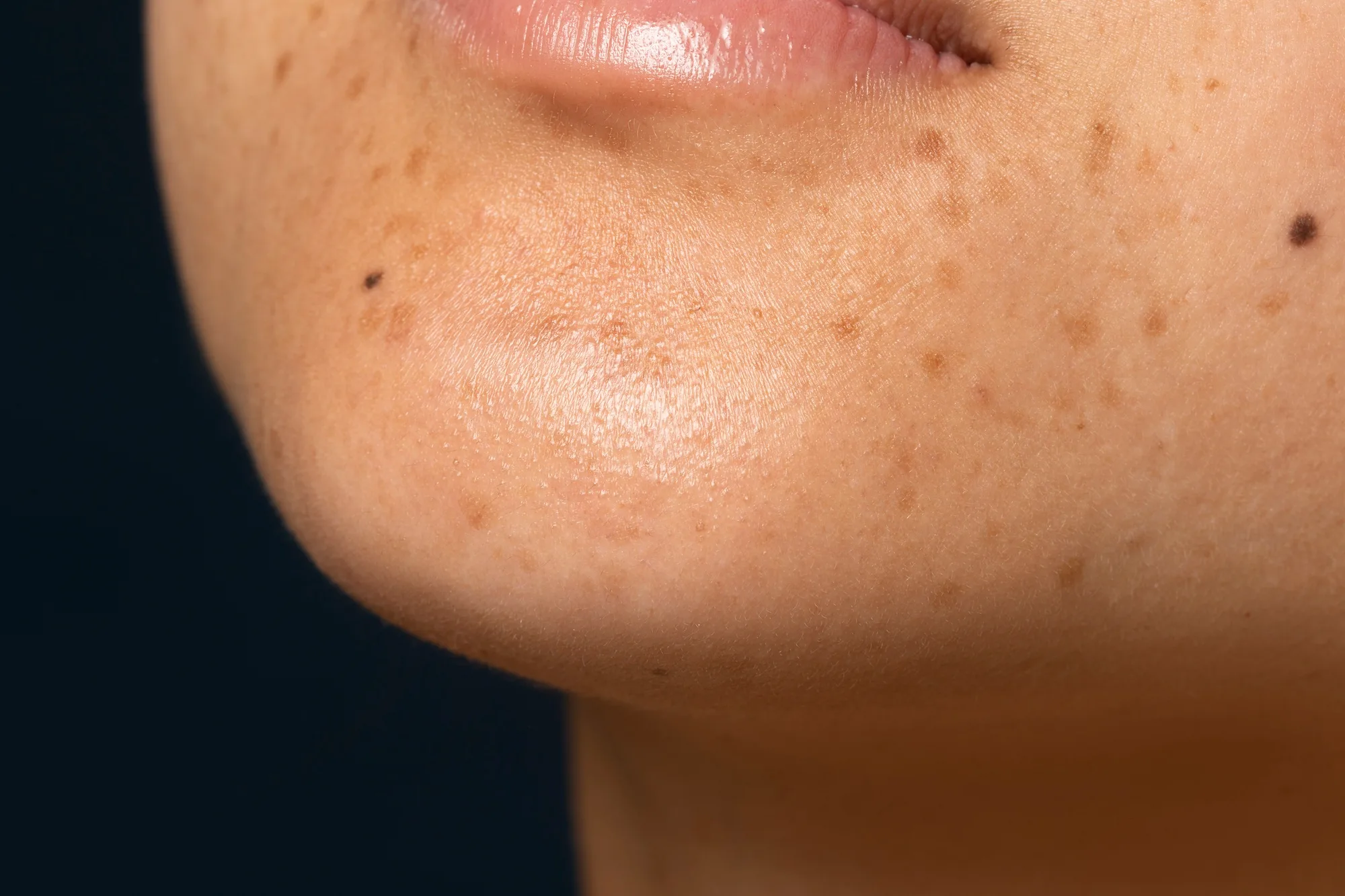
Pigmentation often comes back because the triggers behind it, such as UV exposure, hormones and skin irritation, are still active after the dark patches have faded. Clearer skin shows that the pigment has improved, not that the cause has gone.
If you have spent time and money on your dark spots, only to see them creep back a few months later, it is easy to feel defeated. You may even wonder if the treatment failed.
More often, small daily habits are quietly restarting the process. The five mistakes below are especially common in our tropical climate, and each one is fixable.
Key Takeaways
- Pigmentation returns when triggers such as UV, hormones and inflammation stay active.
- Malaysia’s strong UV levels mean sun protection matters on cloudy days and indoors near windows too.
- Sunscreen works best with shade, hats and good timing, and it needs generous application and reapplication.
- Pigmentation is best managed over time, so a professional assessment helps you plan realistically.

Why Pigmentation Keeps Coming Back in Malaysia: 5 Everyday Mistakes
1. Skipping Sunscreen on “Not So Sunny” Days
Malaysia sits near the equator, so UV levels can be high even when the sky looks grey. Cloud cover does not remove UV rays completely, and your skin can still react.
The same goes for the drive to work, a seat by the office window or a quick walk to lunch. These small moments add up, and darker skin tones are not immune to UV damage.
2. Applying Too Little and Never Reapplying
Many of us dab on a thin layer in the morning and forget about it. In our humid weather, sweat and oil wear sunscreen down faster than you might expect.
Look for a broad-spectrum sunscreen labelled with at least SPF30 and PA++++, apply it generously and reapply when you are outdoors for long stretches. If your skin feels irritated by a product, speak to a doctor rather than abandoning sun protection altogether.
3. Treating Sunscreen as a Free Pass to Stay Out Longer
Sunscreen is a helpful layer of defence, but it is not meant to extend the time you spend in strong sun. Shade, a wide-brimmed hat and protective clothing still do a lot of the work.
The hours between 10 am and 4 pm are when UV is typically strongest. Planning outdoor lunches, errands or exercise outside that window is a simple habit that may help protect your skin.
4. Stopping Maintenance the Moment Skin Looks Clearer
It is tempting to stop everything once the patches fade. But pigment cells can be reactivated by the same triggers that caused the problem in the first place.
Think of it like going to the gym: visible progress does not mean you can stop for good. Your doctor can advise how long maintenance may be worthwhile for your skin.
5. Picking, Scrubbing or Overdoing Products and Treatments
Squeezing a pimple, scrubbing hard or layering too many strong activities can inflame the skin. Inflammation is a well-known trigger for dark marks, which is why acne spots so often leave a shadow behind.
Gentle care usually serves pigmentation better than aggressive care. If a routine leaves your skin stinging or red, that is a signal to pause and seek advice.
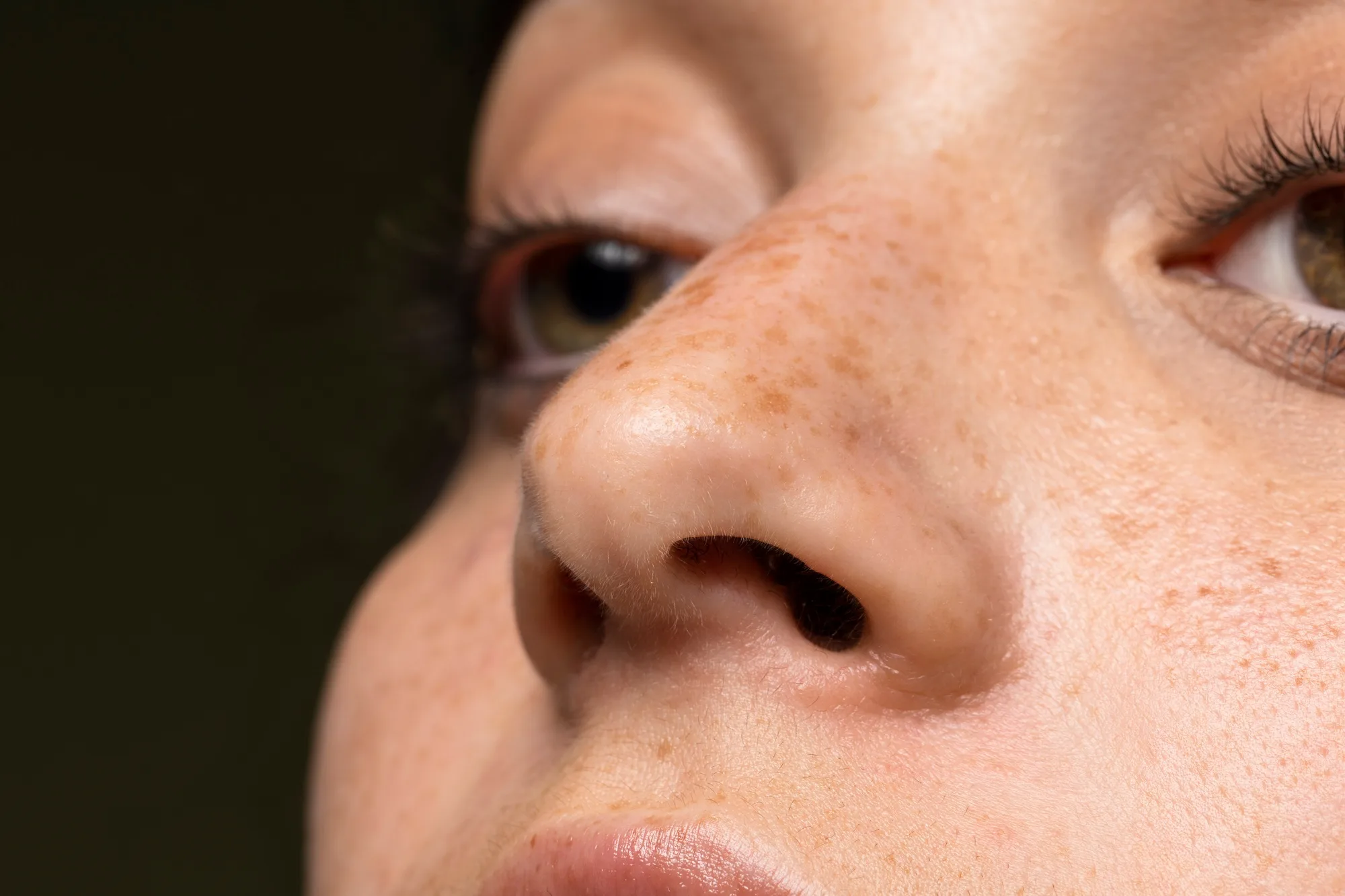
Which Pigmentation Keeps Coming Back: Melasma, Sunspots and Post-Acne Marks
Not all pigmentation behaves the same way, and this is why one person’s results can look so different from another’s. Knowing which type you have helps you understand why it may return.
| Type | Common Triggers | Why It May Return |
|---|---|---|
| Melasma | Hormonal changes, UV and visible light | Often long-term and easily reactivated, so it needs ongoing management |
| Sunspots | Cumulative UV exposure | New spots can form if sun protection slips |
| Post-inflammatory pigmentation | Acne, eczema, irritation | Fresh inflammation can leave fresh marks |
Melasma in particular is tricky, because hormones and light both play a part. Treating it like a simple sunspot may be one reason it seems to keep bouncing back.
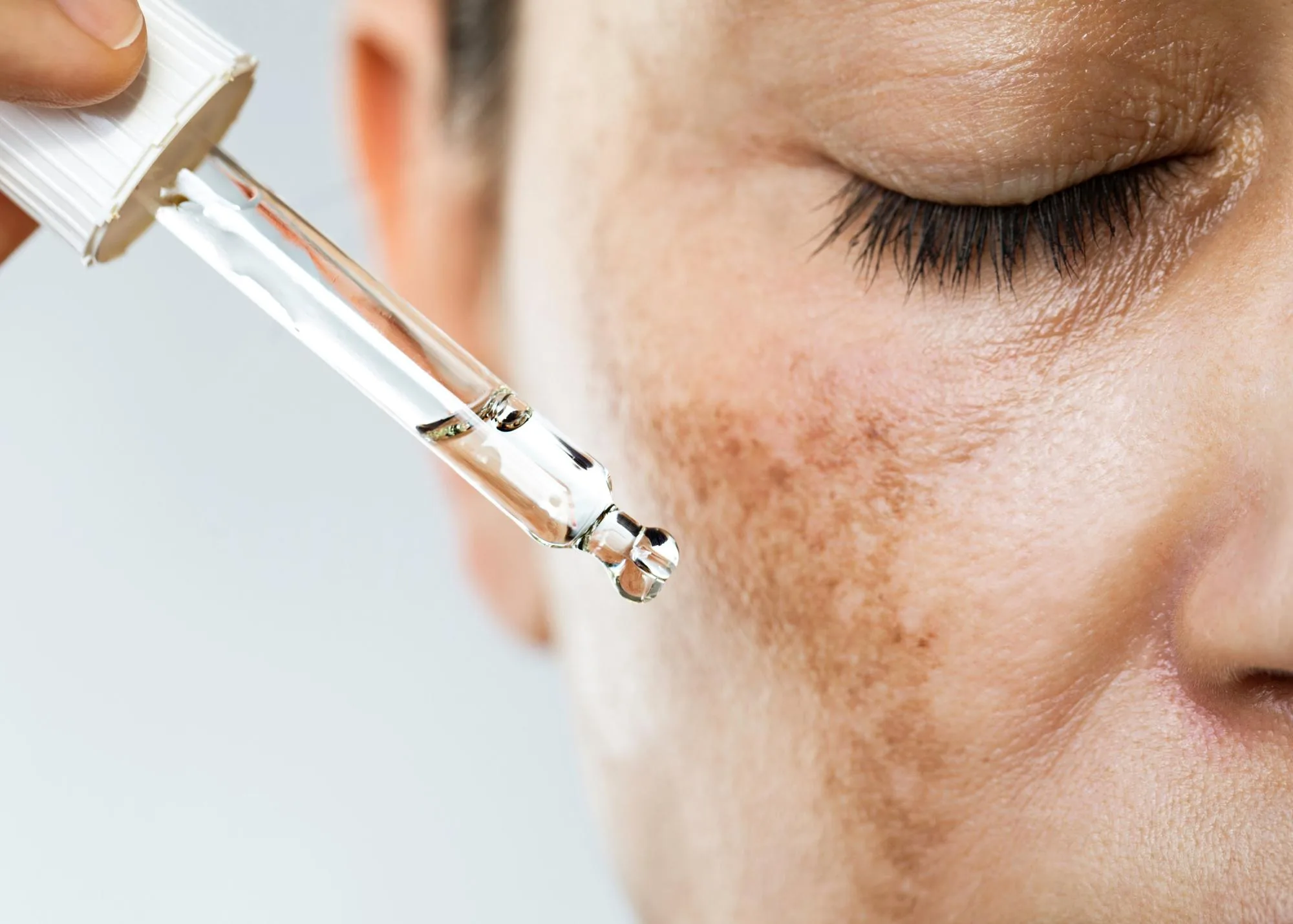
Pigmentation Treatment in Malaysia: What Can You Realistically Expect
Modern treatments can help improve the look of uneven skin tone, but they are best seen as part of a long-term plan rather than a one-time cure. Results and the number of sessions depend on your pigmentation type, its depth and your skin condition.
The value of a plan depends on more than the treatment itself. It usually reflects the severity of your pigmentation, the technology used and how many sessions are recommended, along with what the plan includes, such as the doctor’s assessment, aftercare guidance and follow-up reviews. That is why a proper assessment before you commit is more useful than judging a plan by the treatment alone.
Pico laser is one option often considered for pigmentation. It uses ultra-short pulses of energy to target pigment, and your doctor can advise if it suits your skin, either on its own or alongside doctor-recommended skincare and sun protection.
Pigmentation Treatment at Ozhean Clinic in Bangsar: When to Get Assessed
If your pigmentation keeps coming back despite good habits, or if you are unsure which type you have, it may be time for a professional opinion. Guessing with new products can sometimes make matters worse.
At Ozhean Clinic, our doctors take time to assess your skin and understand your lifestyle and triggers before suggesting a personalised plan. Treatment may include pico laser, chemical peels, skincare support and practical advice for daily life under the Malaysian sun, all tailored to your needs.
There is no obligation to decide on the spot. A consultation simply gives you clearer answers so you can choose what feels right for your skin.
Visit Ozhean Clinic at ozhean.com.my to learn more about pigmentation treatment.
Frequently Asked Questions About Pigmentation Coming Back in Malaysia
Why does pigmentation keep coming back?
Pigmentation often returns because the triggers behind it, such as UV exposure, hormones and skin irritation, are still active after the dark patches have faded. Clearer skin shows that the pigment has improved, not that the cause has gone, so ongoing sun protection and maintenance matter.
Why is pigmentation so common in Malaysia?
Malaysia sits near the equator, so UV levels can be high all year, even when the sky looks grey. Everyday moments such as the drive to work, a seat by the office window or a walk to lunch add up. Darker skin tones are not immune to UV damage either.
Do I need to wear sunscreen on cloudy days or indoors?
Yes. Cloud cover does not remove UV rays completely, and your skin can still react. Sun protection also matters indoors near windows. Choose a broad-spectrum sunscreen labelled with at least SPF30 and PA++++, apply it generously and reapply when you are outdoors for long stretches.
Can sunscreen alone prevent pigmentation?
Sunscreen is a helpful layer of defence, but it works best alongside shade, a wide-brimmed hat and protective clothing. UV is typically strongest between 10 am and 4 pm, so planning outdoor activities outside that window may also help protect your skin.
Why does melasma keep returning more than other types of pigmentation?
Melasma is influenced by hormones, UV and visible light, so it is often long-term and easily reactivated. Treating it like a simple sunspot may be one reason it seems to keep bouncing back. A doctor can assess which type you have and advise on ongoing management.
Can acne marks and irritation cause pigmentation to come back?
Yes. Inflammation from squeezing pimples, scrubbing hard or layering too many strong products is a well-known trigger for dark marks. Gentle care usually serves pigmentation better than aggressive care, and if a routine leaves your skin stinging or red, it is a signal to pause and seek advice.
Can pico laser treat pigmentation permanently?
Pico laser uses ultra-short pulses of energy to target pigment and is one option often considered for pigmentation. However, pigmentation is best managed over time rather than cured in one go, so your doctor may combine it with doctor-recommended skincare and daily sun protection. Individual results vary.
When should I see a doctor about recurring pigmentation in Malaysia?
Consider a professional assessment if your pigmentation keeps coming back despite good habits or if you are unsure which type you have. Guessing with new products can sometimes make matters worse. At Ozhean Clinic in Bangsar, our doctors assess your skin, lifestyle and triggers before suggesting a personalised plan, with no obligation to decide on the spot.