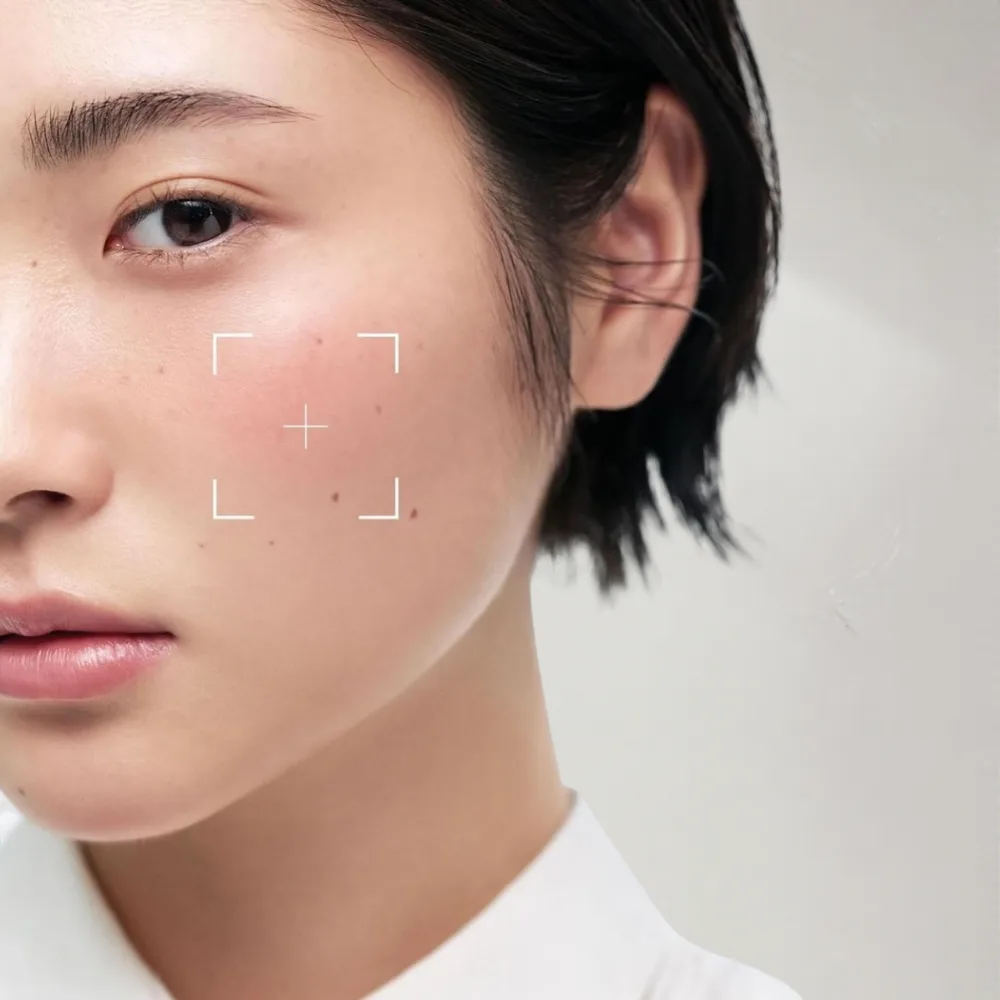
When it comes to pigmentation laser vs chemical peel, neither is better for everyone. The right choice depends on the type of pigmentation, how deep it sits, your skin tone and how much downtime you can accept.
If you have been staring at stubborn dark spots or patches in the mirror, wondering whether to book a laser session or a peel, you are not alone. Picking the wrong one can mean wasted sessions, or worse, darker marks.
The doctor’s diagnosis matters more than the label on the treatment menu. Here is how that decision is made.
Key Takeaways
- Doctors choose between laser and peel based on the type and depth of pigmentation, not on which one sounds stronger.
- Lasers target pigment more precisely, while peels exfoliate the surface and may suit shallow concerns and dull texture.
- Deeper skin tones carry a higher risk of post-inflammatory hyperpigmentation, so gentle settings and careful planning matter.
- Neither option is a one-off fix: sun protection, trigger control and maintenance remain essential.
Pigmentation Laser vs Chemical Peel: How Do Doctors Choose in Malaysia?
“Pigmentation” is not one condition. Melasma, sun spots, freckles and dark marks left behind by acne or irritation can look similar, yet they behave very differently and may respond to different treatments.
That is why a proper consultation comes first. A doctor will usually look at how deep the pigment sits, what triggered it, your skin type and sensitivity, any active acne or dermatitis and how your skin responded to past treatments.
Your lifestyle counts too. If you cannot tolerate visible peeling before a wedding or work event, that shapes the plan as much as the pigment itself.
Under Malaysian skin conditions, with strong year-round UV and many people having medium to deeper skin tones, caution is part of the process. Treating the wrong condition, or using too much energy or too strong a peel, may worsen pigmentation instead of improving it.
How Does Laser for Pigmentation Work and Who Is It For?
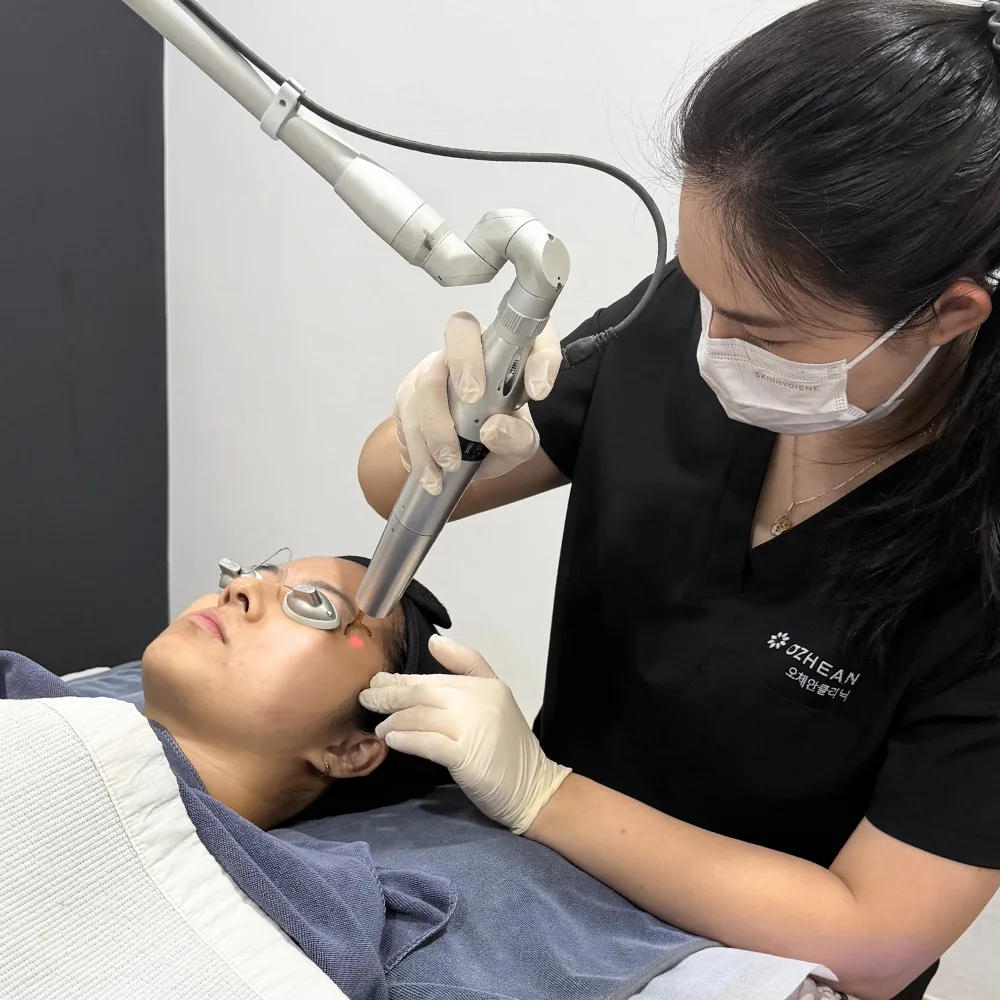
Lasers deliver focused light energy that the pigment absorbs and breaks into tiny fragments, which the body then clears naturally. This precision is why lasers are often considered for well-defined spots such as sun spots and freckles.
At Ozhean Clinic, pigmentation concerns may be treated with pico laser technology, which uses ultra-short pulses designed to work on pigment while limiting heat to the surrounding skin. Ozhean Clinic’s care draws on its FIT programme, created by a team of experienced Korean aesthetic doctors for Malaysian patients.
Most people feel a tingling or warm, prickly sensation, and mild redness may follow. The number of sessions varies with your concern and skin condition, so our doctors can give a more accurate estimate after assessing you.
Lasers are not automatically stronger or safer. Settings are tailored, and conditions like melasma are usually managed over time rather than cured in one go.
Chemical Peel for Pigmentation: What Can It Do and Where Does It Fall Short?
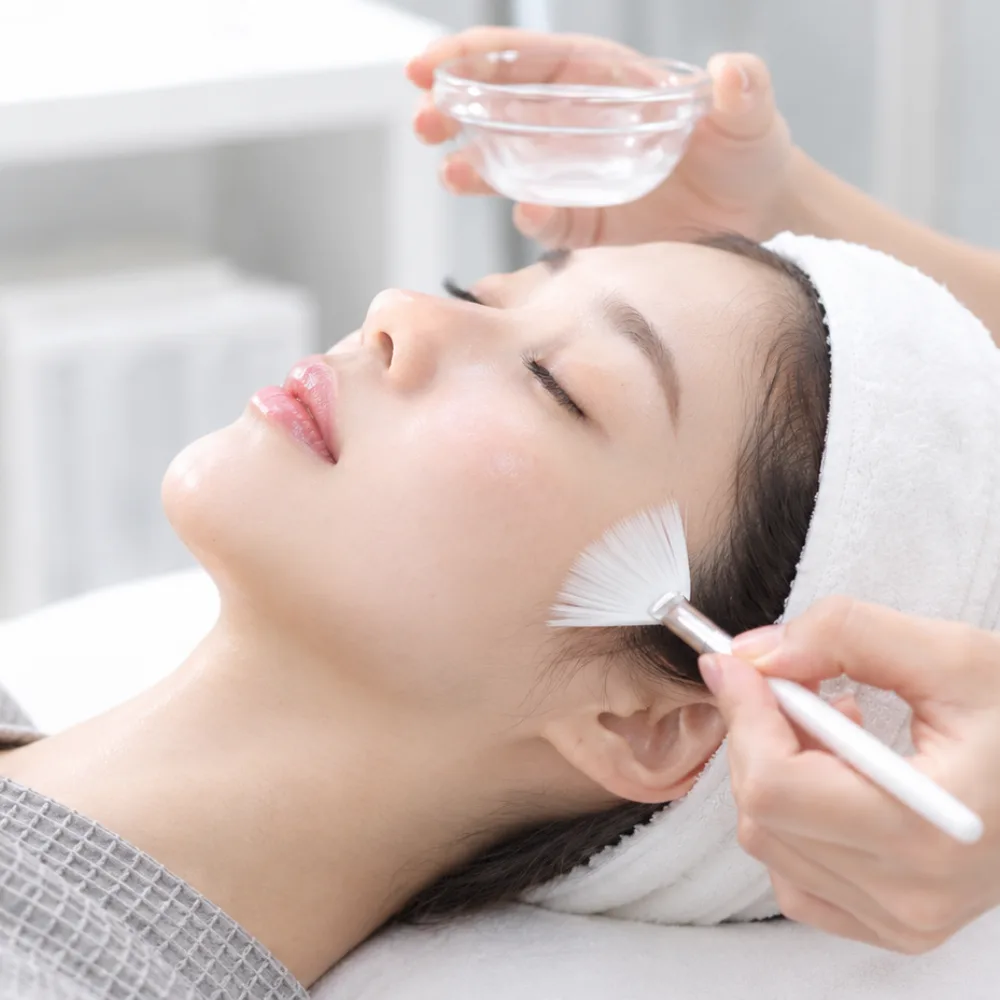
A chemical peel applies an acid solution that loosens and lifts the outermost layers of skin, encouraging cell turnover. Superficial peels are often discussed for shallow marks, uneven tone and rough texture.
The appeal is that peels can feel gentler and may suit people whose concerns are spread across the face rather than concentrated in a few spots. The trade-off is that they generally work on upper skin layers, so deeper pigment may need a different approach.
Peels also come with their own considerations. Flaking, dryness and sensitivity can occur, and a peel that is too strong for your skin can trigger the very dark marks you wanted to fade.
If you have sensitive skin or active breakouts, your doctor may advise treating those first. A conservative, step-by-step plan is often wiser than rushing for fast results.
At Ozhean Clinic, peel options include the Signature Chemical Peel and FCR Peel, and your doctor can advise whether either suits your skin.
Laser vs Chemical Peel for Pigmentation in Malaysia: Which One Suits You?
Use this table as a rough guide only. Your doctor’s assessment always takes priority over general comparisons.
| Factor | Laser | Chemical Peel |
|---|---|---|
| How it works | Targets pigment with focused light energy | Exfoliates the surface to speed up cell turnover |
| Often considered for | Defined spots, freckles, some stubborn marks | Superficial marks, dullness, uneven texture |
| Downtime | Usually minimal, with temporary redness possible | Varies with strength, with flaking or dryness possible |
| Main caution | Settings must suit your skin tone | Peel strength must suit your skin sensitivity |
Some people benefit from a combination, or from doctor-recommended topical care alongside procedures. When planning your budget, look beyond the price of one session and consider consultation, sunscreen, topical products, repeat visits and maintenance.
Whichever route you take, pigmentation can return. Daily broad-spectrum sunscreen and avoiding your personal triggers are the foundation, and no procedure replaces them.
Start With a Consultation for Pigmentation Laser vs Chemical Peel
The most reliable way to settle the pigmentation laser vs chemical peel question is to have your skin examined. A doctor can identify what type of pigmentation you have and discuss options that fit your skin tone, schedule and goals.
At Ozhean Clinic in Bangsar, KL, consultations are designed to help you understand the options before committing to anything. Individual results vary, and your doctor will explain what to realistically expect.
Visit Ozhean Clinic to find out more about pigmentation treatment.
Frequently Asked Questions About Pigmentation Laser vs Chemical Peel
1. Is laser or chemical peel better for pigmentation?
Neither is better for everyone. The right choice depends on the type of pigmentation, how deep it sits, your skin tone and how much downtime you can accept. A doctor’s assessment matters more than which treatment sounds stronger.
2. How do doctors decide between a pigmentation laser and a chemical peel?
A doctor will usually look at how deep the pigment sits, what triggered it, your skin type and sensitivity, any active acne or dermatitis and how your skin responded to past treatments. Your lifestyle counts too, such as whether you can accept visible peeling before an event.
3. Which is better for melasma, laser or chemical peel?
Melasma behaves differently from sun spots or freckles, so it needs careful assessment before any treatment. It is usually managed over time rather than cured in one go, and settings or peel strength that are too aggressive may worsen it. Your doctor can advise which approach, if either, suits your skin.
4. How does laser for pigmentation work?
Lasers deliver focused light energy that the pigment absorbs and breaks into tiny fragments, which the body then clears naturally. This precision is why lasers are often considered for well-defined spots such as sun spots and freckles. At Ozhean Clinic, pigmentation concerns may be treated with pico laser technology.
5. What can a chemical peel do for pigmentation?
A chemical peel applies an acid solution that loosens the outermost layers of skin and encourages cell turnover. Superficial peels are often discussed for shallow marks, uneven tone and rough texture. Because peels generally work on upper skin layers, deeper pigment may need a different approach.
6. Can laser or chemical peel make pigmentation worse?
It can happen if the treatment does not suit your condition or skin tone. Treating the wrong type of pigmentation, or using too much energy or too strong a peel, may trigger post-inflammatory hyperpigmentation. This risk is higher in deeper skin tones, which is why gentle settings and careful planning matter.
7. Will pigmentation come back after treatment?
Pigmentation can return whichever route you take. Daily broad-spectrum sunscreen and avoiding your personal triggers are the foundation, and no procedure replaces them. Maintenance and doctor-recommended topical care may also be part of your plan.
8. How many sessions do I need, and what should I budget for?
The number of sessions varies with your concern and skin condition, so your doctor can give a more accurate estimate after assessing you. When planning your budget, look beyond the price of one session and consider consultation, sunscreen, topical products, repeat visits and maintenance. You can book a consultation at Ozhean Clinic in Bangsar, KL, to discuss a plan that fits your skin.